Tourism Trends

What are the current trends in the travel industry, and how are they expected to evolve in the future? This overview highlights the most important trends shaping the tourism sector.

Train travelling through green countryside. Train travelling through green countryside.
Tourism is undergoing a profound transformation. Today, travellers are seeking more conscious, authentic and flexible experiences that align with their personal values and lifestyles. Sustainability is becoming the standard, local encounters are gaining importance, and alternative destinations are on the rise. At the same time, people are looking for balance – between the digital world and true relaxation, between short escapes and long discovery journeys. Driven by new technologies such as artificial intelligence, the influence of social media and a growing interest in culinary experiences, diverse trends are shaping the industry for the long term. The following overview highlights how travel is evolving today and in the future.

Sustainable Travel

Sustainable travel is increasingly becoming the norm. Travellers are paying closer attention to low‑carbon transportation, eco‑friendly accommodation, and fair local value creation. The preservation of natural and cultural landscapes also plays a key role. Many destinations are responding with clear sustainability labels and offerings that combine ecological and social responsibility.
Local Experts

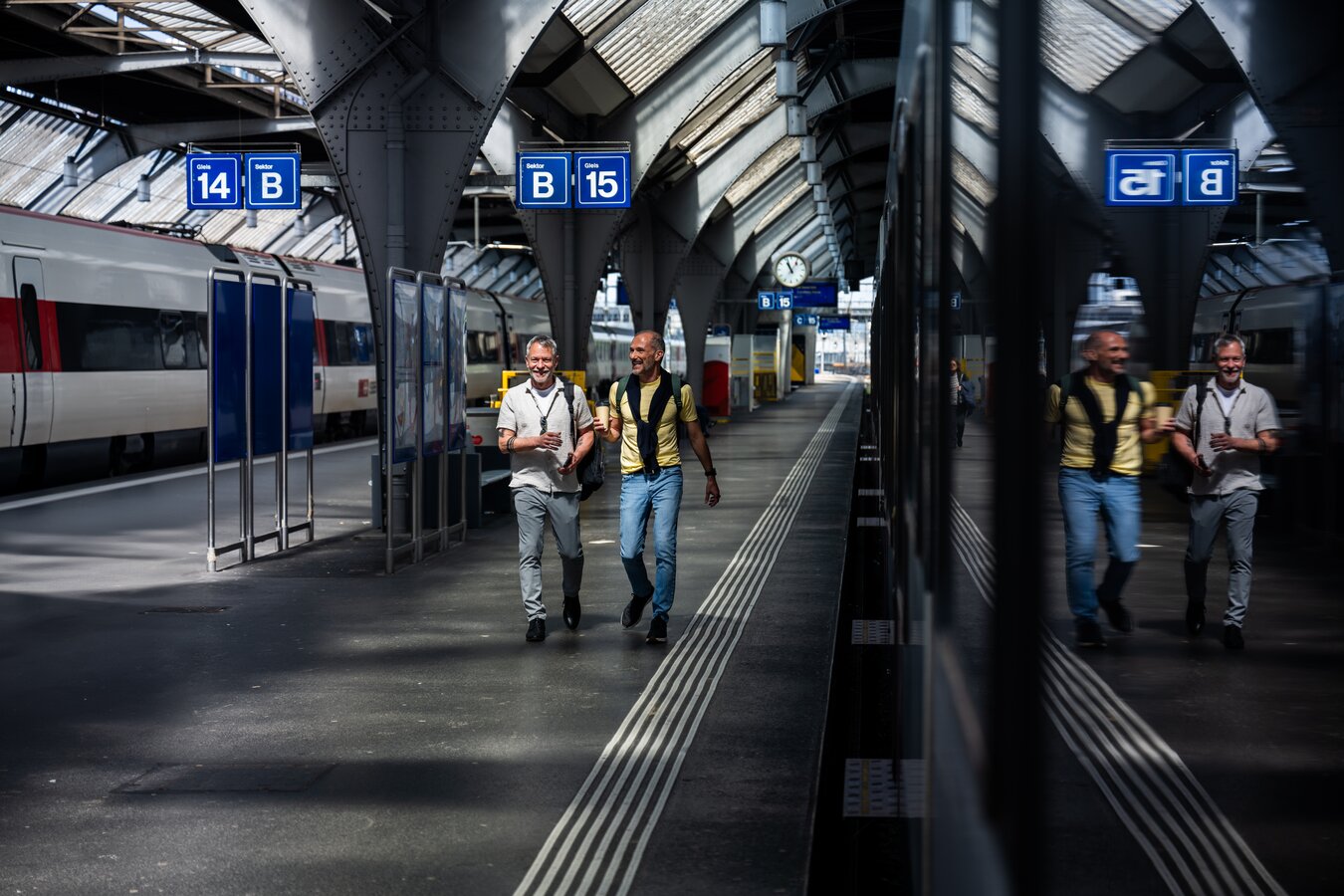
Authentic encounters are becoming essential for many travellers. Local experts enable personalised tours, provide insider knowledge, and offer access to cultural nuances that traditional guidebooks often miss. This fosters deeper connections with the destination while generating direct benefits for local communities. As a result, community‑based tourism offerings are gaining global popularity.


Alternative Destinations

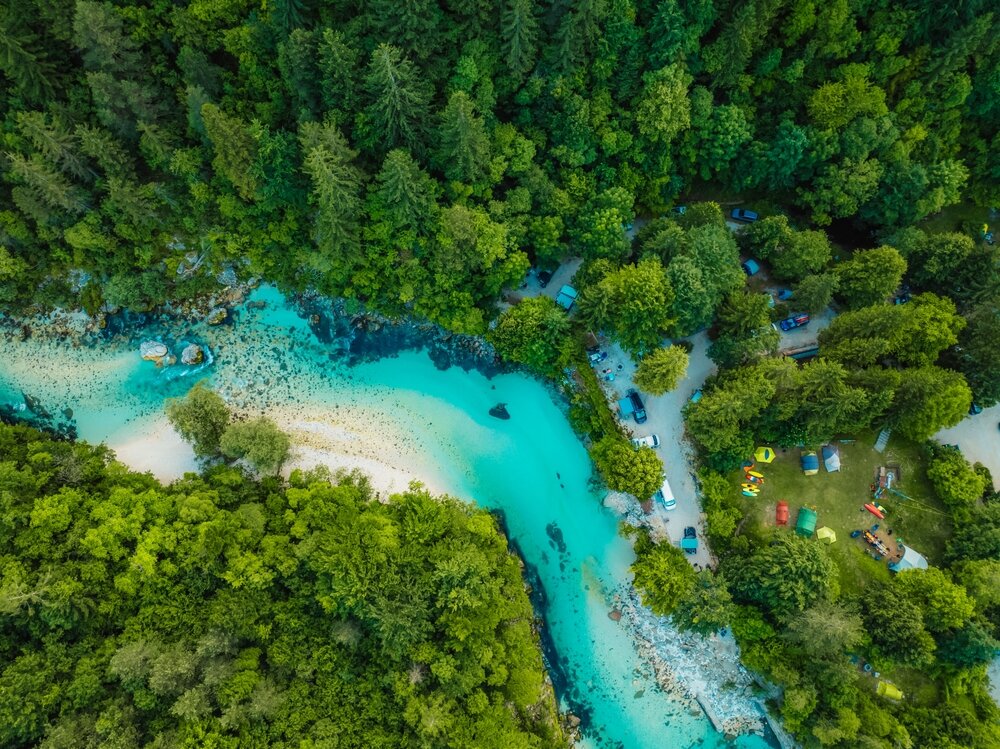
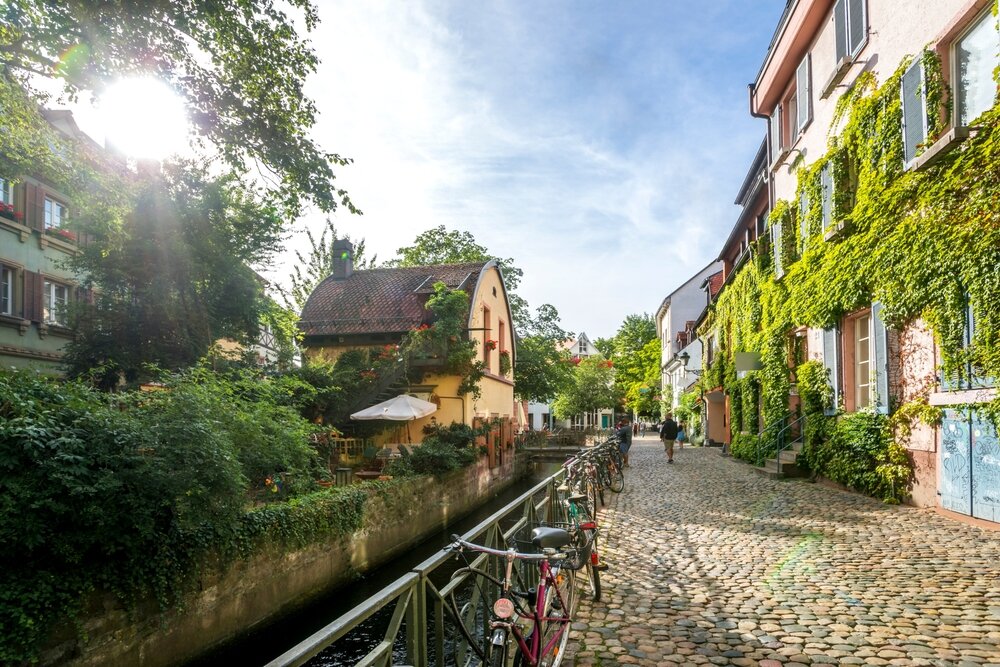
Concerns about overtourism are motivating travellers to explore lesser‑known locations. Remote regions, rural areas, and emerging urban destinations are experiencing growing interest. These places offer tranquillity, more authentic experiences, and often richer nature‑based activities. At the same time, local communities benefit, as tourism revenues are distributed more evenly.


Digital Detox

More people are using their holidays as a conscious break from their digital routines. Digital detox means limiting or avoiding the use of smartphones and laptops while travelling. This trend is driving demand for accommodations and destinations that offer nature‑based experiences, mindfulness, wellness, or retreat‑style programmes. It is further reinforced by a growing desire for stress reduction and mental rejuvenation.


Short Breaks (Microcations)

Microcations — trips lasting fewer than four nights — are particularly popular among millennials and working professionals. They offer spontaneous relaxation without requiring long absences from work. Improved transport connections, remote work options, and flexible booking models continue to boost their appeal. Travellers often prefer compact itineraries with a high experience value.
Long‑Term Travel

For many baby boomers, long‑term travel is becoming a central part of retirement. With more free time and financial stability, they are planning multi‑month adventures beyond standard package routes. Popular options include road trips, round‑the‑world journeys, or extended stays in regions with pleasant climates. This type of travel enables deeper cultural immersion and supports year‑round demand.


Culinary Experiences

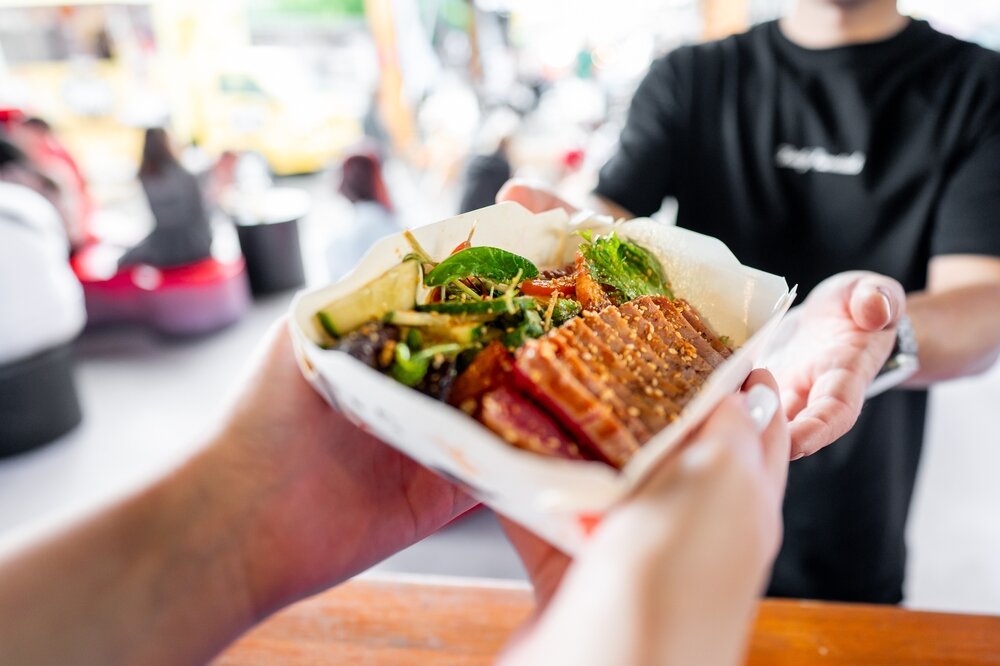
Food plays an increasingly influential role in travel decisions. Travellers are seeking authentic culinary experiences, including food tours, regional specialities, street food, and sustainable gastronomy. They favour restaurants that value regional sourcing, quality, and tradition. As a result, more destinations are positioning themselves through their culinary identity and gastronomic diversity.
 

Generation Instagram & TikTok

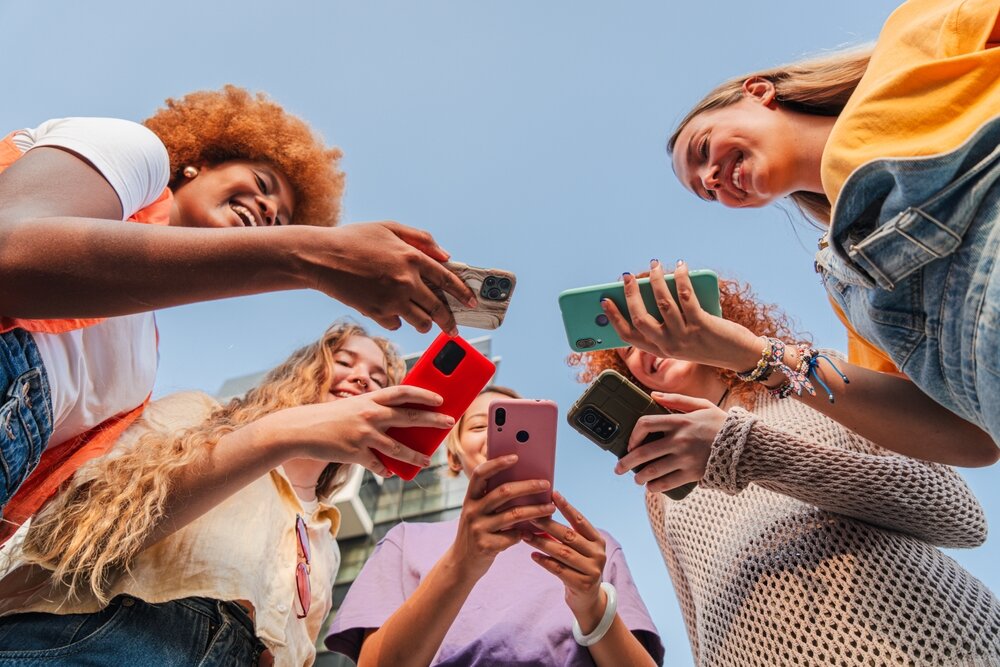
Social media has a strong influence on how younger generations choose their travel destinations. Visually striking locations, unique experiences, and shareable moments shape their travel behaviour. Platforms like Instagram and TikTok drive demand for “Instagrammable” spots and encourage the discovery of new destinations through viral content.
Artificial Intelligence

AI is transforming the way travel is planned. Intelligent systems analyse preferences, budgets, and behavioural patterns to create personalised itineraries and accommodation recommendations. AI‑powered chatbots offer 24/7 booking assistance, while emerging tools generate inspiration or help overcome language barriers on the go. These technologies make the travel process more efficient, more personalised, and more accessible.